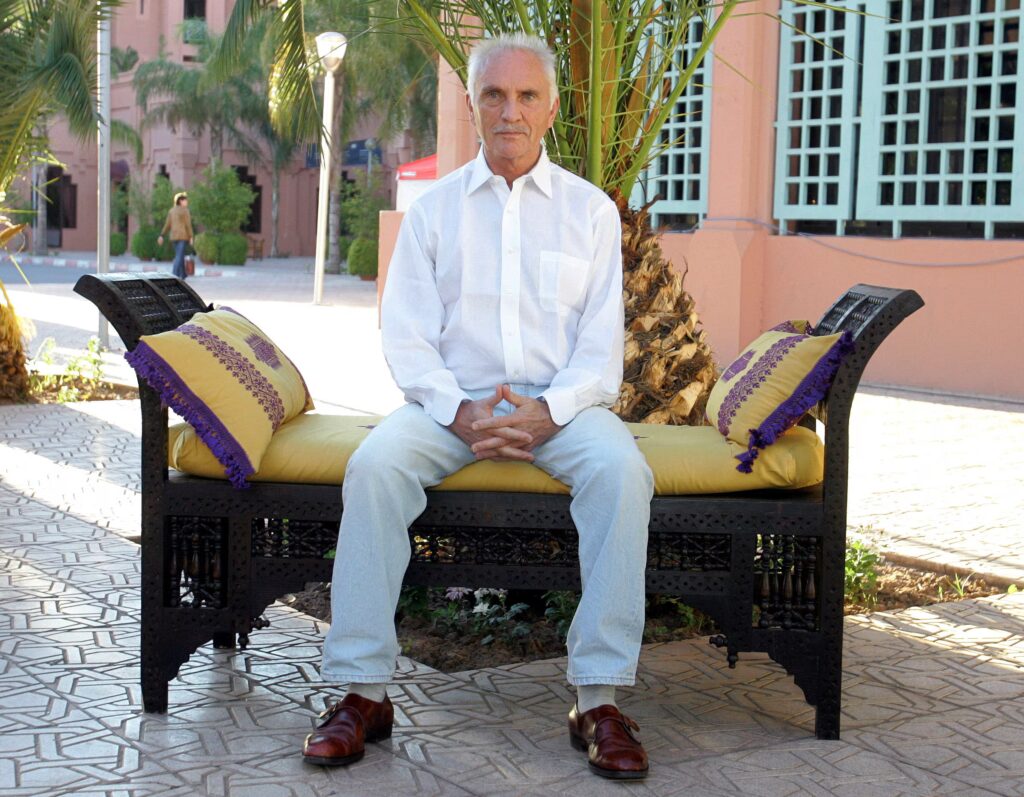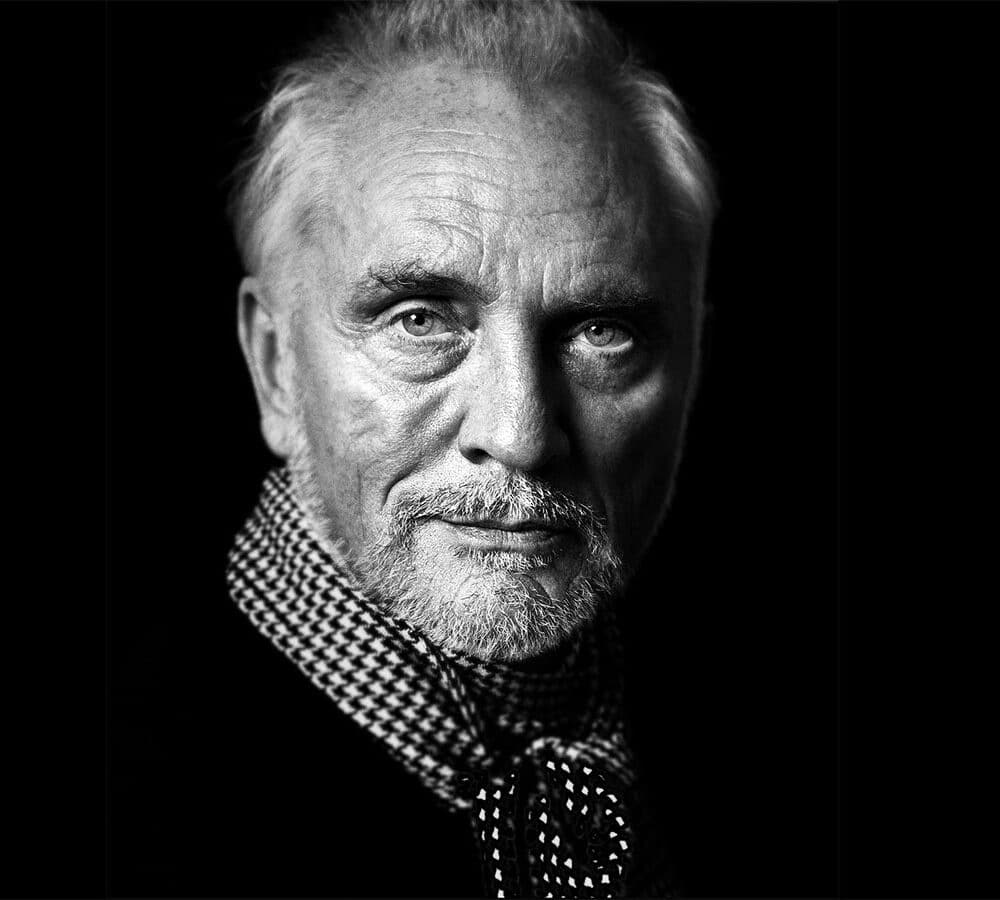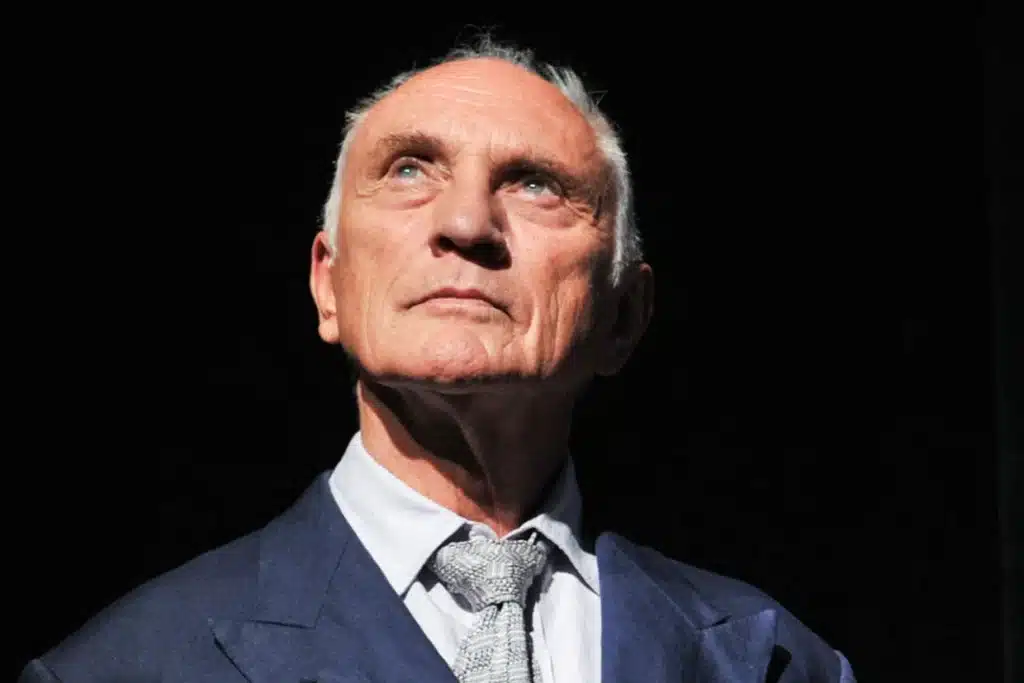
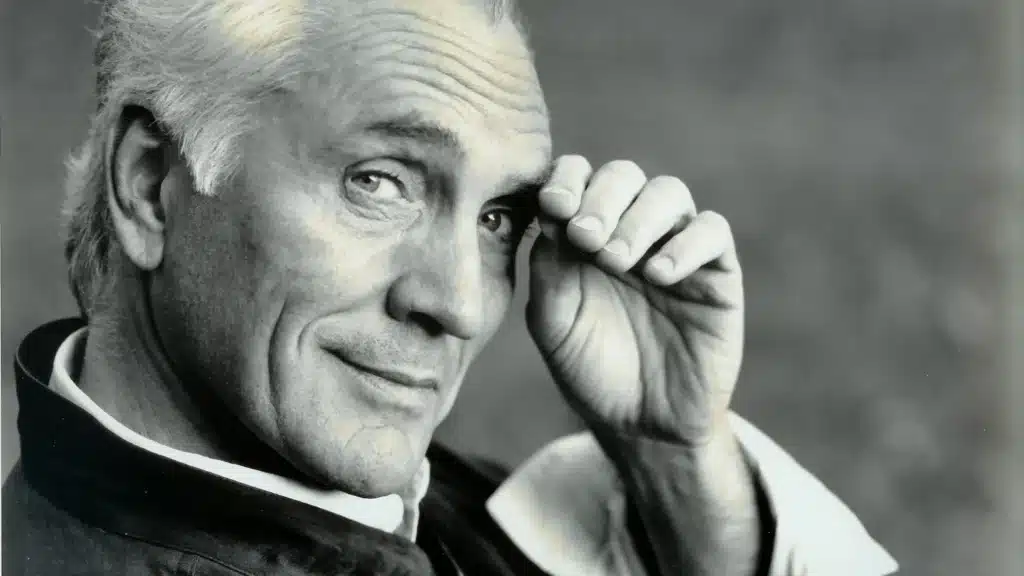
Terence Henry Stamp (22 July 1938 – 17 August 2025) was one of Britain’s most striking and versatile actors, celebrated for his piercing gaze, chameleon-like performances, and an extraordinary career that spanned more than six decades. Born in Stepney, East London, into a working-class family, Stamp’s early life was marked by modest beginnings and a restless curiosity that eventually led him to study at the Webber Douglas Academy of Dramatic Art. It was there that his natural charisma, distinctive voice, and magnetic screen presence began to emerge, setting the stage for a career that would touch every corner of world cinema.
Breakthrough in the 1960s
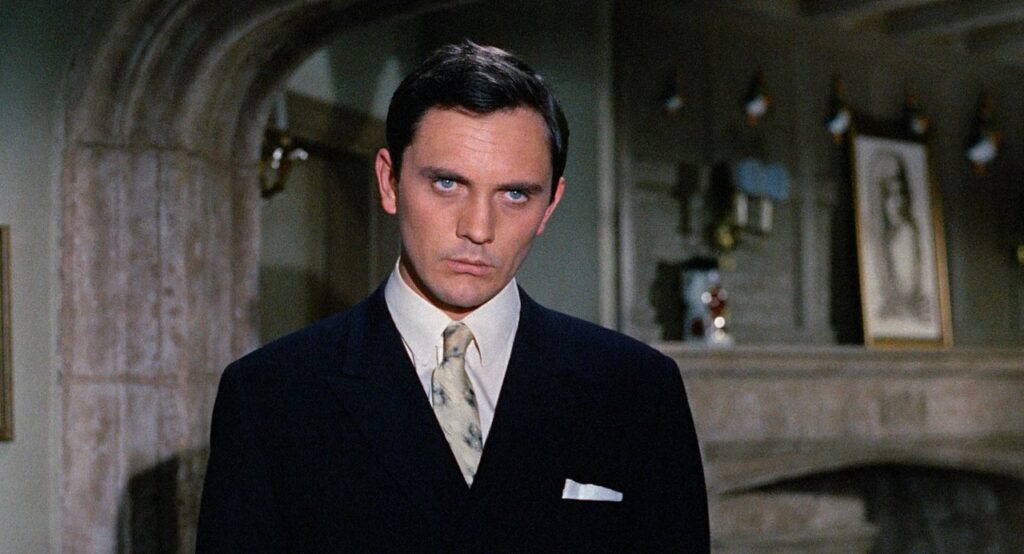
Stamp’s film debut in Billy Budd (1962) catapulted him to instant fame. Playing the angelic young sailor wrongly accused of mutiny, he received an Academy Award nomination for Best Supporting Actor and international acclaim, becoming a poster boy for Britain’s rising “New Wave” of actors. He quickly followed this success with daring choices—The Collector (1965), where he chillingly portrayed a sociopathic kidnapper, earned him the Cannes Best Actor Award, while Far from the Madding Crowd (1967) showcased his romantic side opposite Julie Christie. At the height of Swinging London, Stamp was not just a film star but a cultural icon, moving in glamorous circles with Michael Caine, Jean Shrimpton, and the era’s elite tastemakers.
Reinvention and International Acclaim
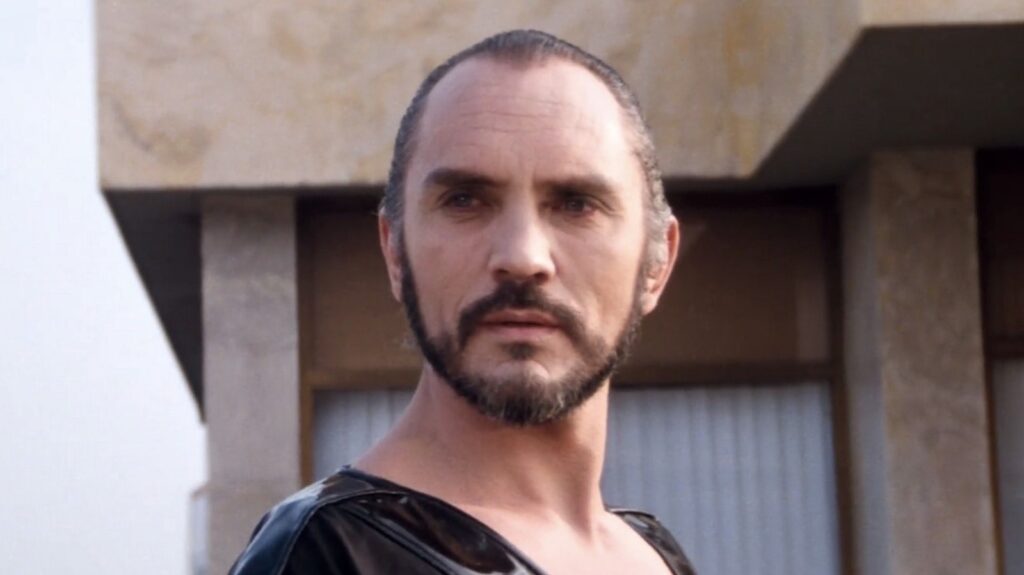
The late 1960s and 1970s saw Stamp take risks with art-house roles, notably in Pier Paolo Pasolini’s Teorema (1968), before stepping back from mainstream cinema for a time. He travelled widely, immersed himself in spiritual exploration, and wrote with the same sensitivity he brought to his acting. His eventual return to Hollywood came with unforgettable impact: as the imperious General Zod in Superman (1978) and Superman II (1980). With his icy delivery and towering presence, Stamp redefined the superhero villain archetype, creating one of cinema’s most iconic antagonists.
A Career Renaissance
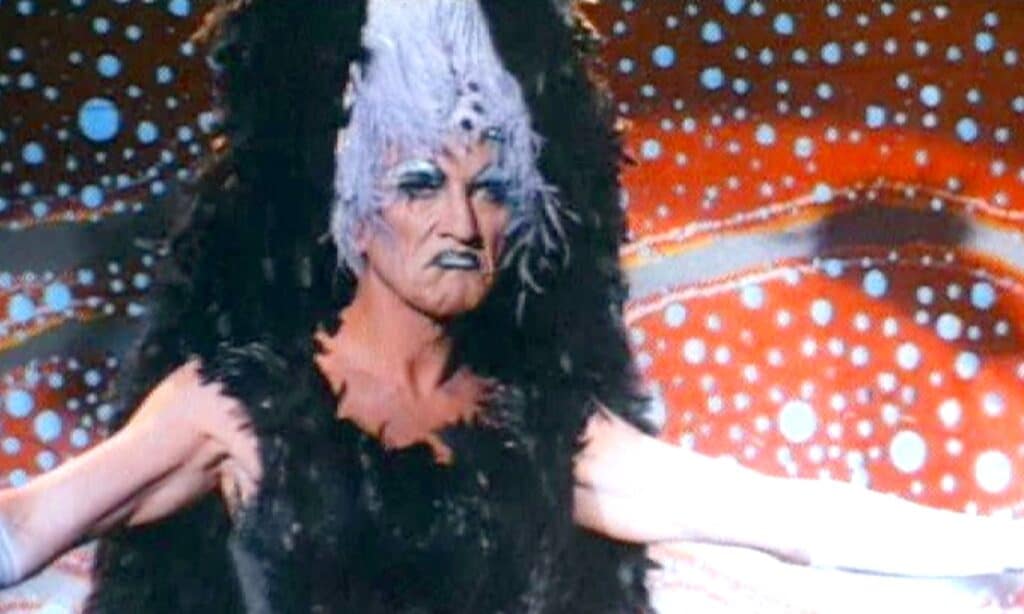
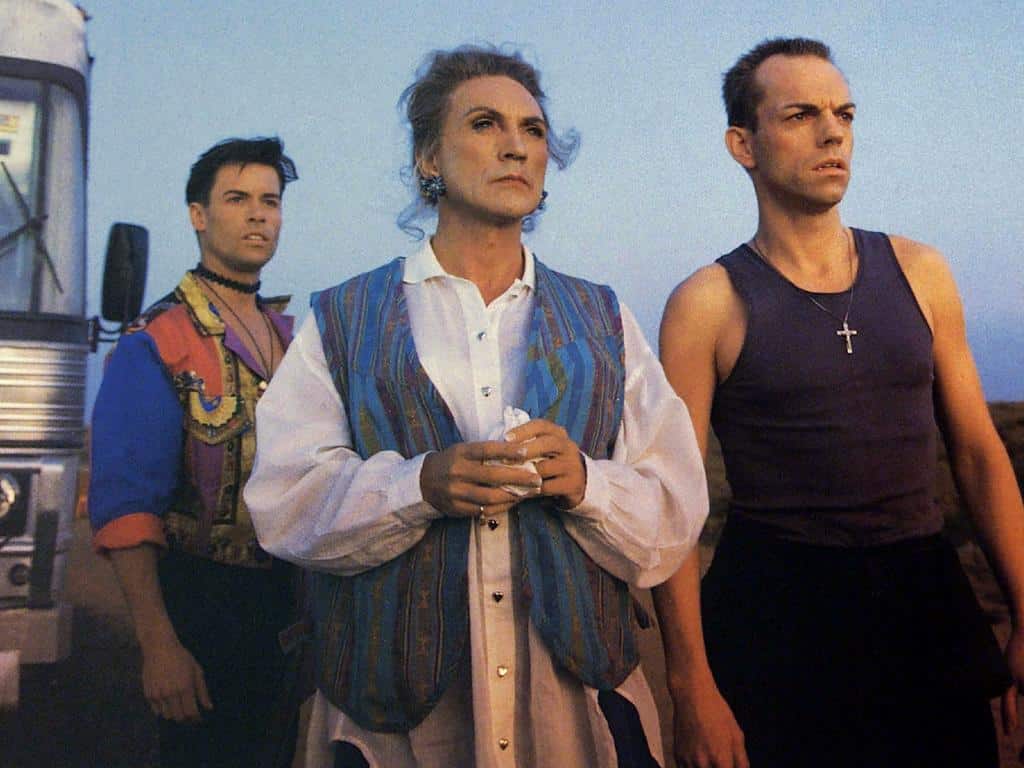
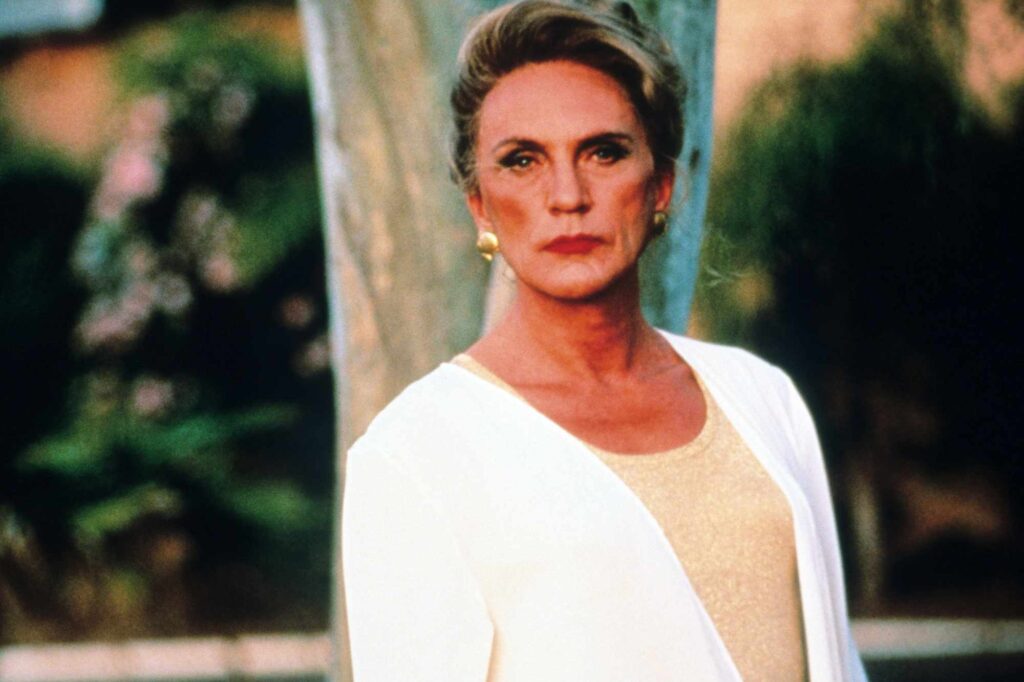
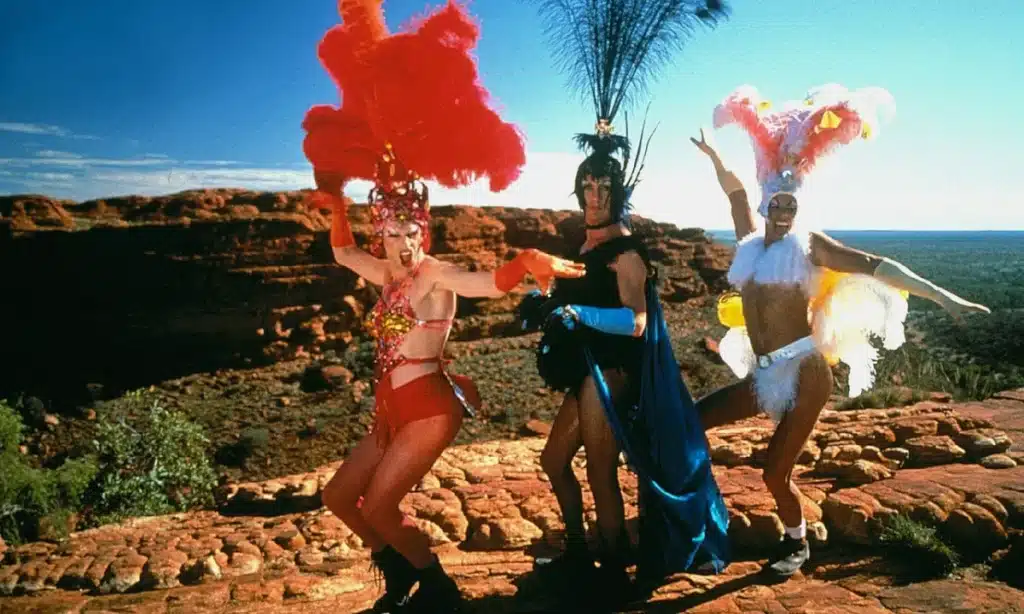
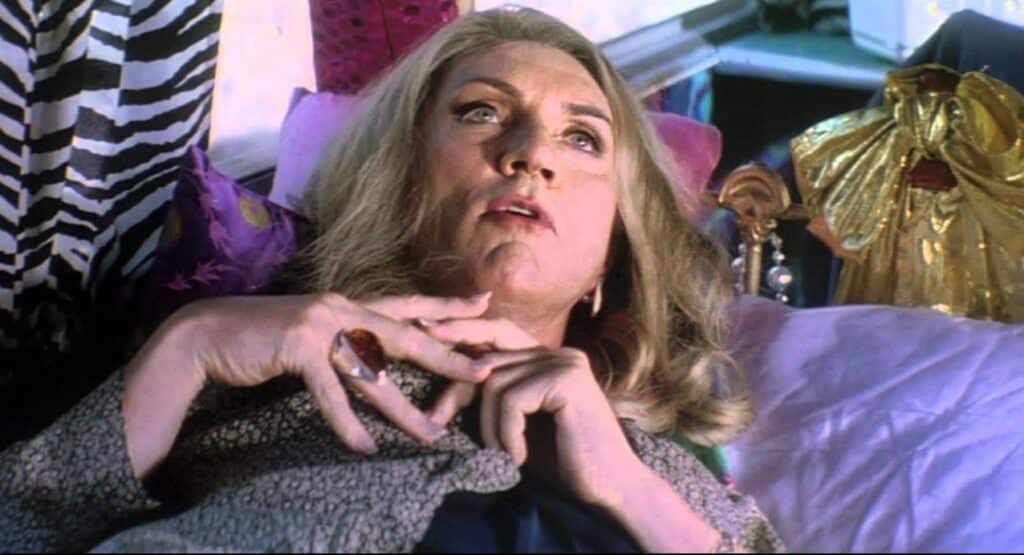
By the 1990s, Stamp entered a glorious new chapter. In The Adventures of Priscilla, Queen of the Desert (1994), he delivered a career-defining turn as Bernadette, a transgender performer full of wit, heart, and resilience. The role won him BAFTA and Golden Globe nominations, and cemented him as a fearless performer unafraid to embrace vulnerability and complexity. Steven Soderbergh’s The Limey (1999) further confirmed his renaissance, with Stamp’s portrayal of Wilson, a vengeful ex-con haunted by the past, earning widespread critical acclaim. The role tapped into the mythos of his 1960s persona, reflecting both the passage of time and the endurance of star power.
Later Work and Legacy
Stamp continued to surprise audiences into the new millennium. He appeared as Chancellor Valorum in Star Wars: Episode I – The Phantom Menace (1999), introduced himself to a new generation with comedies like Yes Man (2008), and brought his trademark gravitas to roles in The Haunted Mansion (2003), Get Smart (2008), and Last Night in Soho (2021). His voice – resonant, commanding, unmistakable – remained one of his greatest tools, lending authority to both heroic and villainous roles. Alongside acting, Stamp wrote several memoirs and books, including Stamp Album, Double Feature, Rare Stamps, and The Ocean Fell Into the Drop, exploring his personal life, career, and spiritual philosophies.

Death and Remembrance
On 17 August 2025, Terence Stamp passed away at the age of 87, closing the chapter on a career that consistently challenged expectations and defied typecasting. From the angelic innocence of Billy Budd to the flamboyance of Bernadette and the menace of General Zod, his work embodied a rare blend of beauty, danger, and vulnerability. He left behind not just an extraordinary catalogue of films but also a lasting influence on generations of actors who admired his courage, intensity, and authenticity.
Terence Stamp’s story is one of transformation – an East End boy who became a global star, a 1960s idol who aged into one of cinema’s most magnetic character actors, and a man who used both screen and pen to explore what it meant to live fully, fiercely, and without compromise. His legacy endures as one of the great British actors of his era – timeless, daring, and unforgettable.