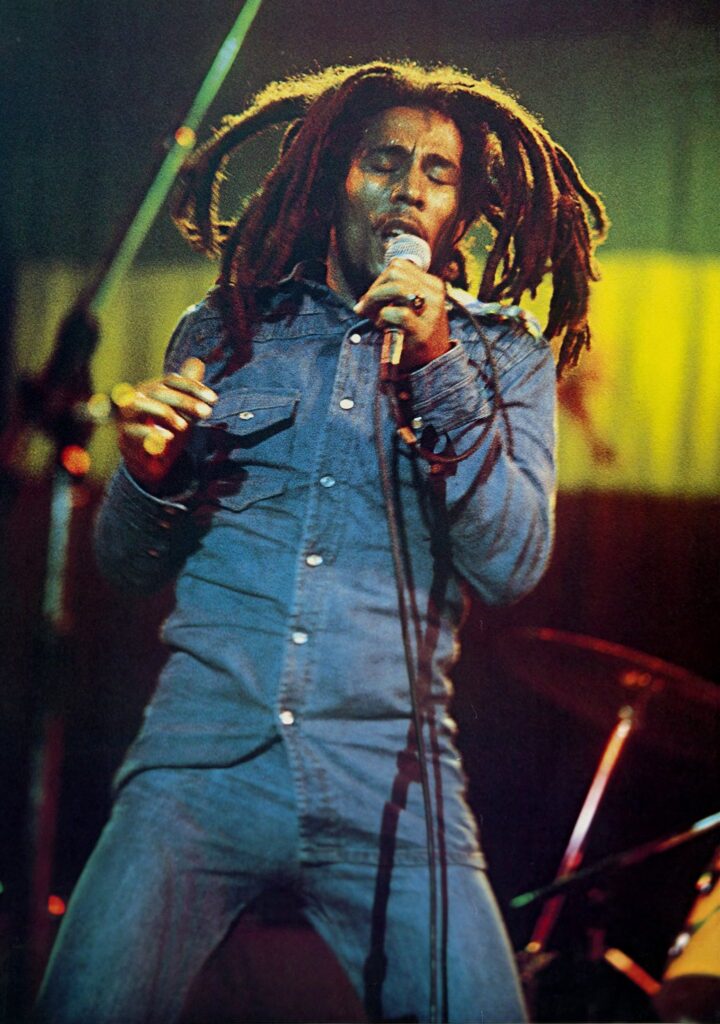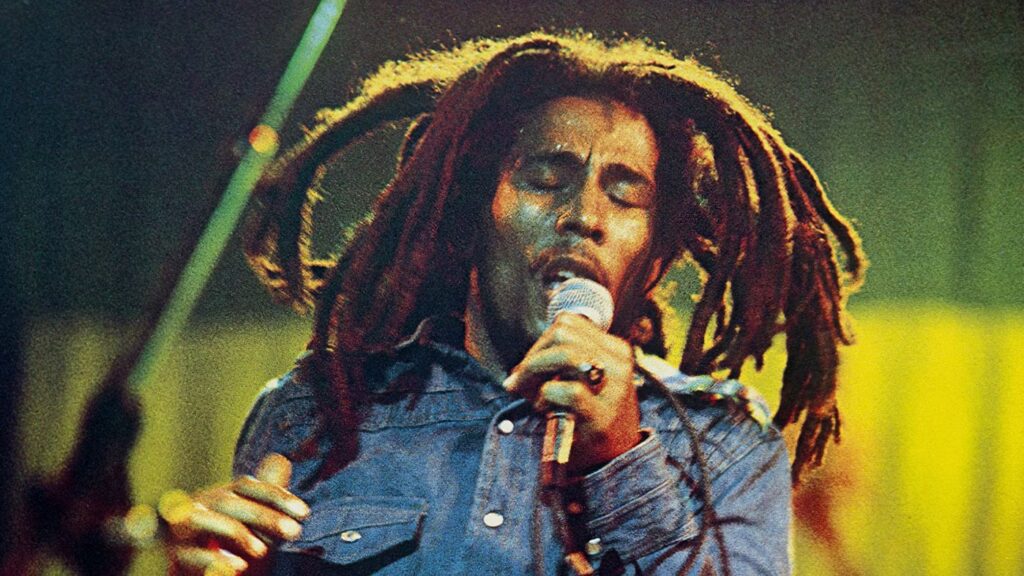
The Album That Moved the World
There are albums that entertain. There are albums that inspire. And then there are albums that shift the cultural landscape entirely. Exodus by Bob Marley and the Wailers, released on June 3, 1977, belongs firmly in that third category – a record that captured the spirit of a troubled time and, in doing so, became timeless.
Today, nearly five decades after its release, Exodus still speaks to hearts around the world, urging us to dance, reflect, and most of all – move forward.
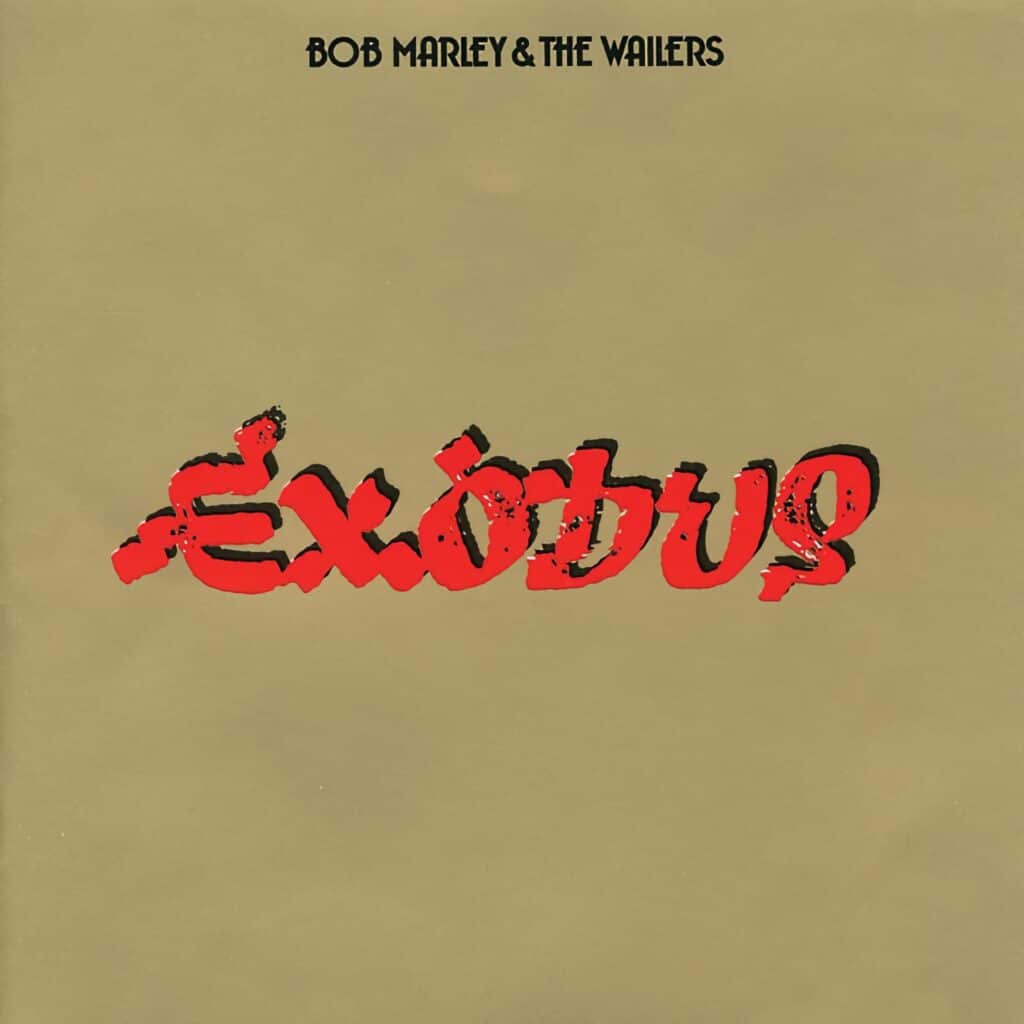
The Backdrop: Music in the Face of Violence
To understand Exodus, you have to understand the moment in which it was created. In December 1976, Jamaica was teetering on the edge of political chaos. Violence between rival factions made the streets of Kingston dangerous, and Bob Marley himself became a target.
Just days before a planned peace concert, Marley and his wife Rita survived an assassination attempt at their home. Though wounded, Bob famously performed just two days later – then soon after relocated to London to recover and regroup.
It was there, in exile, that Marley and the Wailers channeled their pain, hope, and vision into what would become Exodus. The album’s title, drawn from the Biblical story of a people seeking freedom, couldn’t have been more fitting.
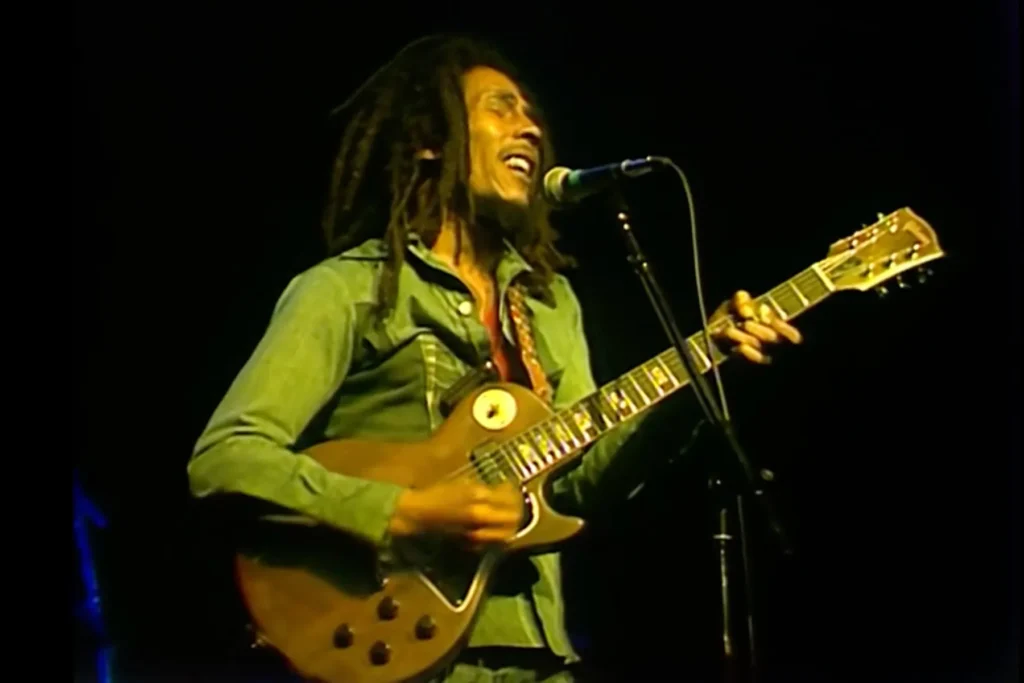
Two Sides, Two Stories
One of the remarkable things about Exodus is how deliberately it is structured—a true vinyl journey. The album is often described as having two distinct “sides,” each telling a different part of the story.
Side A: The Struggle
The first half of the album is deeply political and introspective. It’s the sound of a man grappling with personal survival, political injustice, and the weight of expectations. The songs on this side pull no punches – they’re spiritual, simmering, and revolutionary.
- Natural Mystic opens the album with a haunting air, as if the winds themselves are whispering secrets of the past and future.
- So Much Things to Say and Guiltiness are filled with biting commentary on corruption and hypocrisy.
- The Heathen becomes an anthem of perseverance.
- The title track Exodus is a rhythmic call to action – urging movement, migration, and transformation on both personal and collective levels.
Side B: The Celebration
Flip the record and you’re greeted by an entirely different energy – one of joy, love, and community. After the storm of Side A, Side B is pure sunshine.
- Jamming is an invitation to dance, to come together in peace.
- Waiting in Vain – one of Marley’s sweetest love songs—reveals his vulnerable, romantic side.
- Turn Your Lights Down Low is intimate and sensual, a quiet moment of tenderness amidst the greater messages.
- Three Little Birds offers simple, profound reassurance: “Don’t worry about a thing / ’Cause every little thing is gonna be all right.”
- Finally, One Love / People Get Ready closes the album with a rousing call for unity and harmony, blending Marley’s words with Curtis Mayfield’s timeless message.
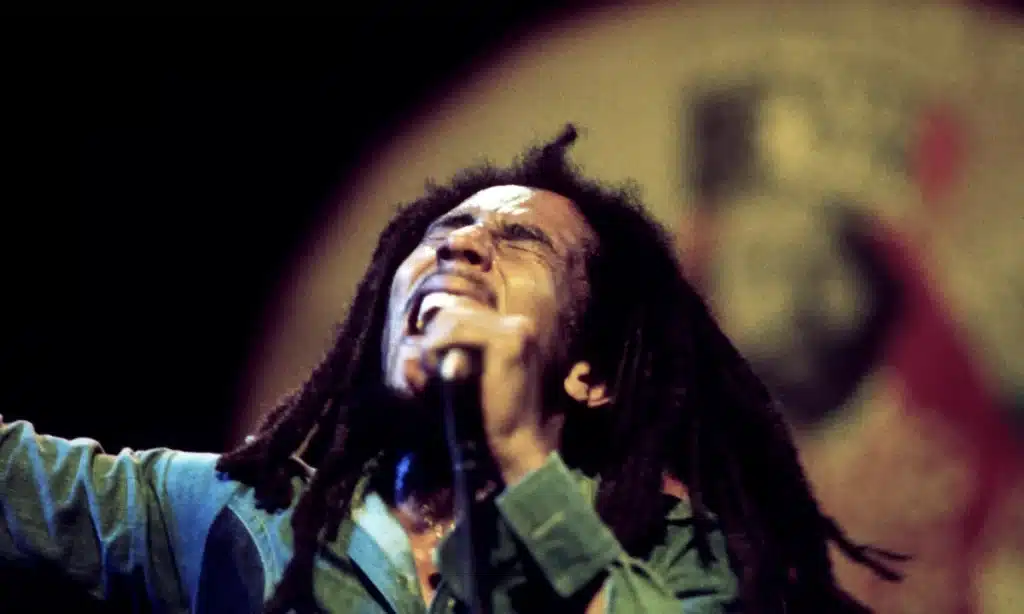
The Full Tracklist
Here’s the complete setlist of Exodus – one to revisit often:
Side A
- Natural Mystic
- So Much Things to Say
- Guiltiness
- The Heathen
- Exodus
Side B
- Jamming
- Waiting in Vain
- Turn Your Lights Down Low
- Three Little Birds
- One Love / People Get Ready
The Sound That Shaped the World
Musically, Exodus was a masterwork of production and performance. The Wailers – featuring Aston “Family Man” Barrett on bass, Carlton Barrett on drums, Junior Marvin on guitar, and the beautiful harmonies of The I-Threes (including Rita Marley) – created a sound that was both deeply Jamaican and universally accessible.
The grooves are rich and hypnotic. The melodies linger in the mind long after the record stops spinning. And Marley’s voice – equal parts prophet, poet, and friend – anchors it all with a sincerity that transcends language and borders.
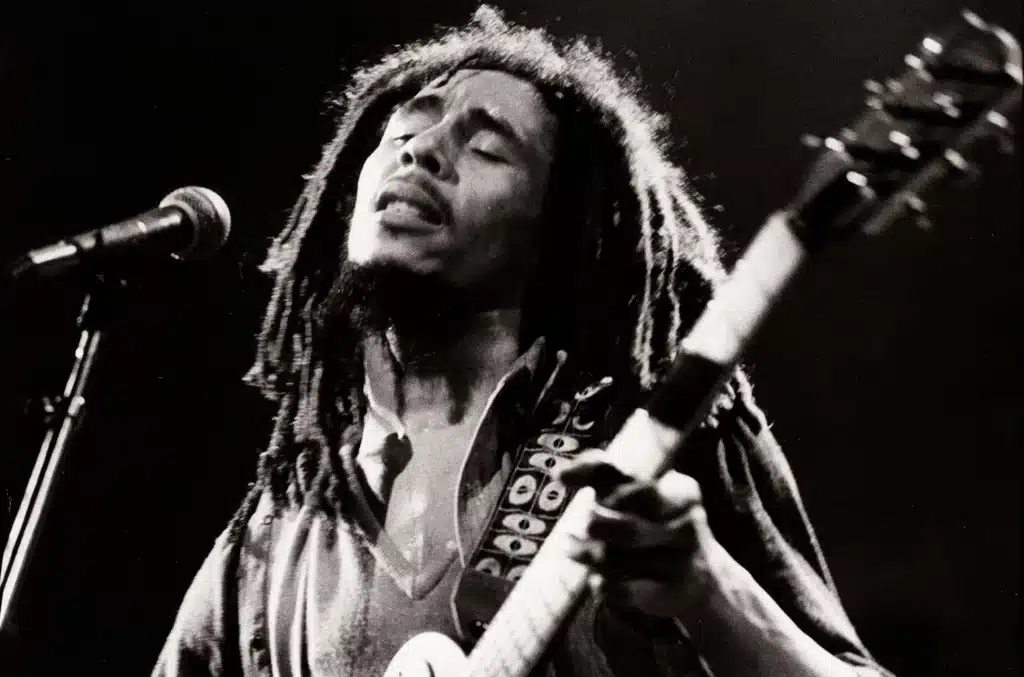
Global Impact and Legacy
Exodus was an immediate critical and commercial success. It spent 56 consecutive weeks on the UK album charts and helped cement Marley’s global reputation – not just as a reggae star, but as a world-changing artist.
In 1999, Time magazine named Exodus the Album of the Century. Rolling Stone has consistently included it in their lists of the greatest albums ever recorded. But more importantly, Exodus became a cultural touchstone – a beacon of hope for oppressed people everywhere, and a soundtrack to movements for peace, justice, and human rights.
Why It Still Matters
In a world that often feels divided and uncertain, Exodus remains a testament to the power of music to heal, unite, and inspire. Its messages – of resistance against injustice, of finding light in darkness, of loving one another without condition – are as urgent today as they were in 1977.
So go ahead: put the record on, turn the volume up, and let Bob Marley and the Wailers remind you that “Every little thing is gonna be all right.”