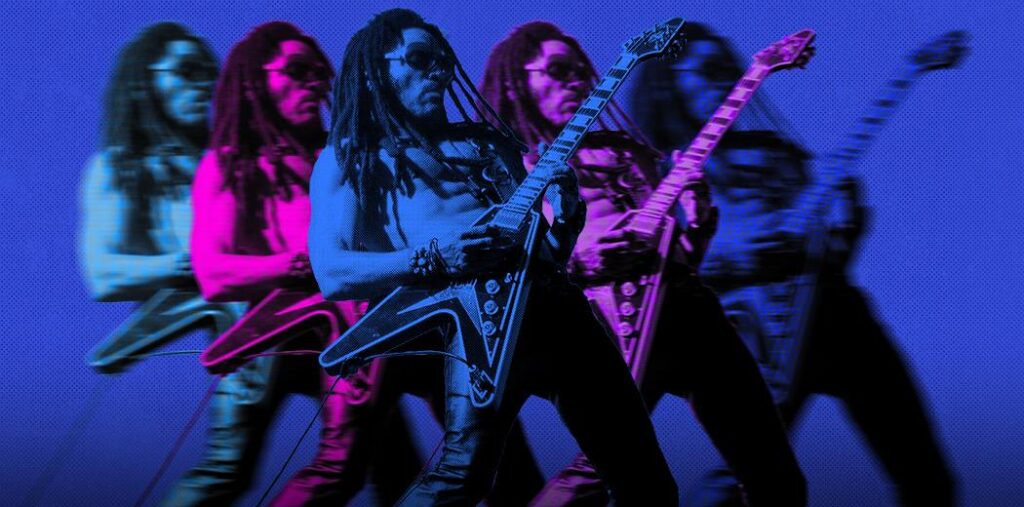
Lenny Kravitz is a musician, yes, BUT, he’s so much more. And, this is why the world needs him AND more like him…
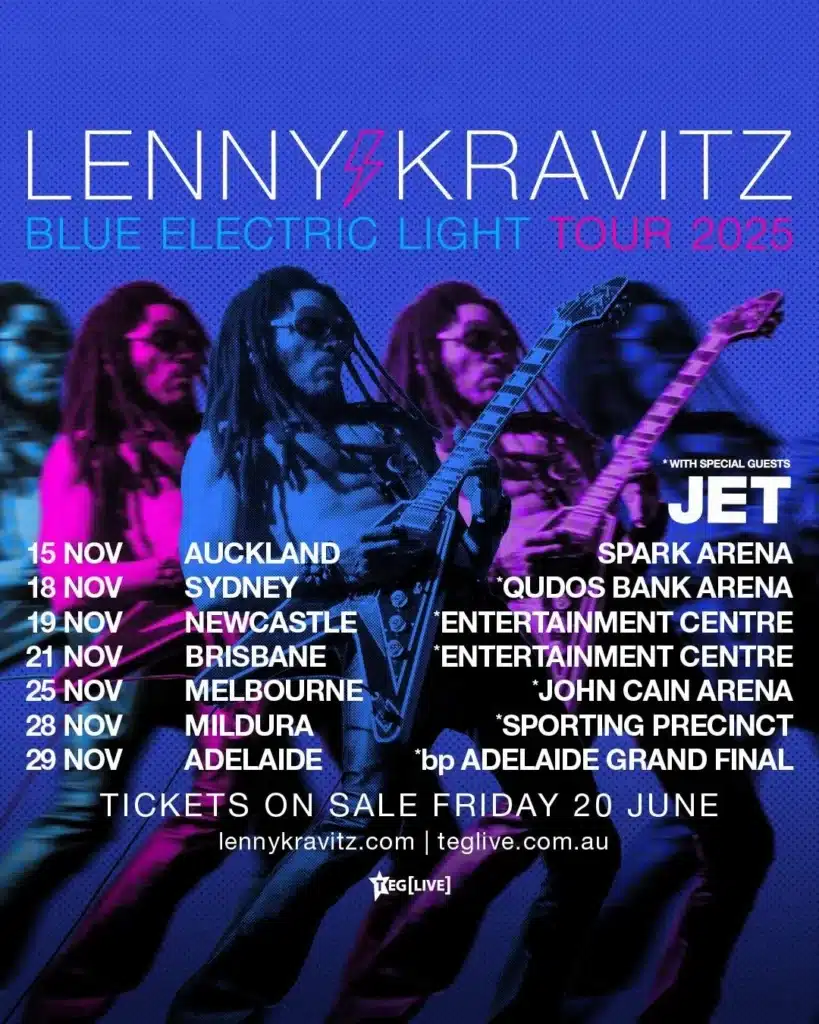
Lenny Kravitz’s 2025 Australian tour feels like a long-awaited ignition – the kind of return where the room is freakin’ buzzing before he even steps near a microphone. He’s arriving with Blue Electric Light as his current heartbeat, but the real story is the way he’s carrying himself right now: sharpened, hungry, and undeniably alive. There’s a cool, cinematic intensity to this phase of his career, and Australia is getting the full charge of it after far too many years without him.
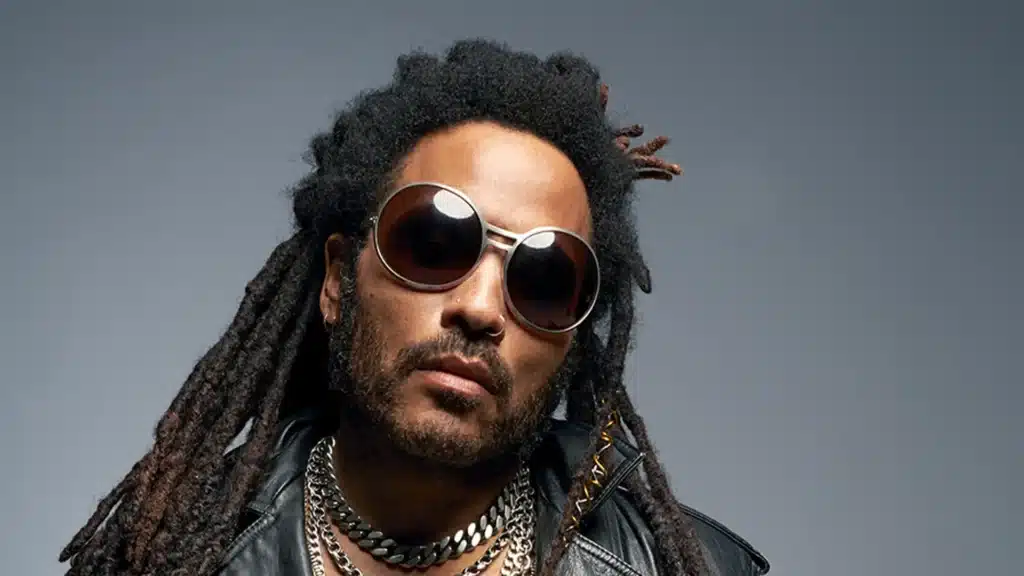
As he moves through Sydney, Newcastle, Brisbane, Melbourne, Mildura and Adelaide, the run feels less like a list of stops and more like a travelling experience designed to pull people into his atmosphere. Kravitz doesn’t play shows – he builds environments. One moment you’re hit with a riff that feels carved from steel, the next you’re caught in a quiet, spellbinding pocket where he delivers a line like he’s handing it directly to you. With JET adding a punch of Aussie grit, these nights are shaping into something textured, lived-in and effortlessly cool.
The setlists promise that sweet collision of eras – the anthems that shaped entire generations, the deep grooves, and the new Blue Electric Light material that shows how restless and inventive he still is. What’s striking is how seamlessly he threads it all together, turning nostalgia into momentum. This tour isn’t a victory lap; it’s a statement. A reminder that Kravitz still knows how to walk onstage, flick the voltage on, and make an entire country feel like it’s plugged straight into his current.
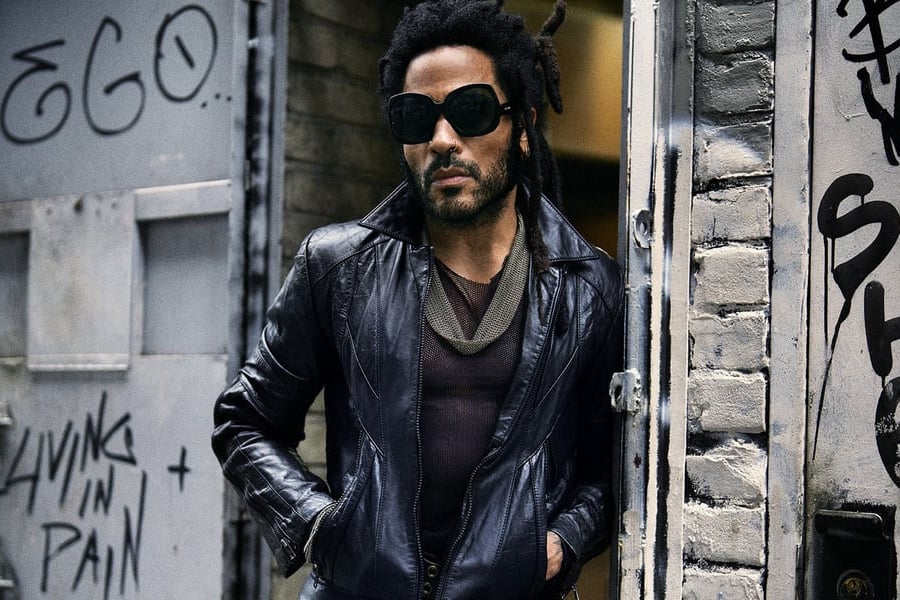
BUT, let’s unpack Lenny, the man…
Lenny Kravitz’s story begins in a vibrant intersection of culture, art and identity – a world that would shape the sound and spirit of one of modern music’s most distinctive creators. Born Leonard Albert Kravitz in New York City in 1964, he grew up between Manhattan’s creative hum and the sun-soaked ease of his mother’s Bahamian heritage. His father, Sy Kravitz, was a respected NBC news producer; his mother, Roxie Roker, was a groundbreaking actor best known for The Jeffersons. Their home was an artistic crossroads: dinner-table chats on politics mingled with rehearsals, vinyl stacks and visits from industry legends, giving young Lenny a front-row seat to the possibilities of creative life. By five, he was playing pots and pans like a drum kit. By seven, he was singing in the California Boys Choir. And by adolescence, he was devouring everything from Zeppelin and Hendrix to Curtis Mayfield, Stevie Wonder and the classical pieces he performed in choir rehearsals. His identity became a mosaic – Black, Jewish, Bahamian, bohemian – and he channelled all of it into a drive to craft his own sound.
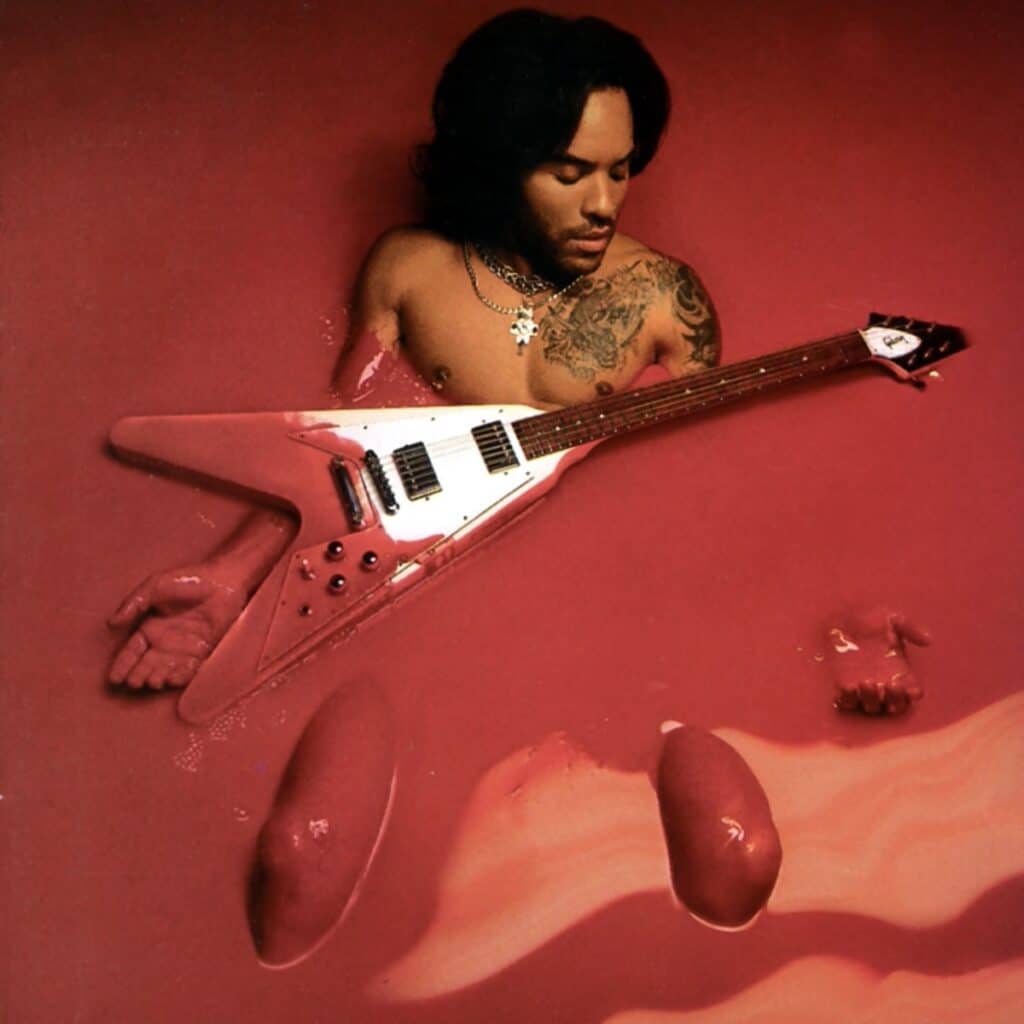
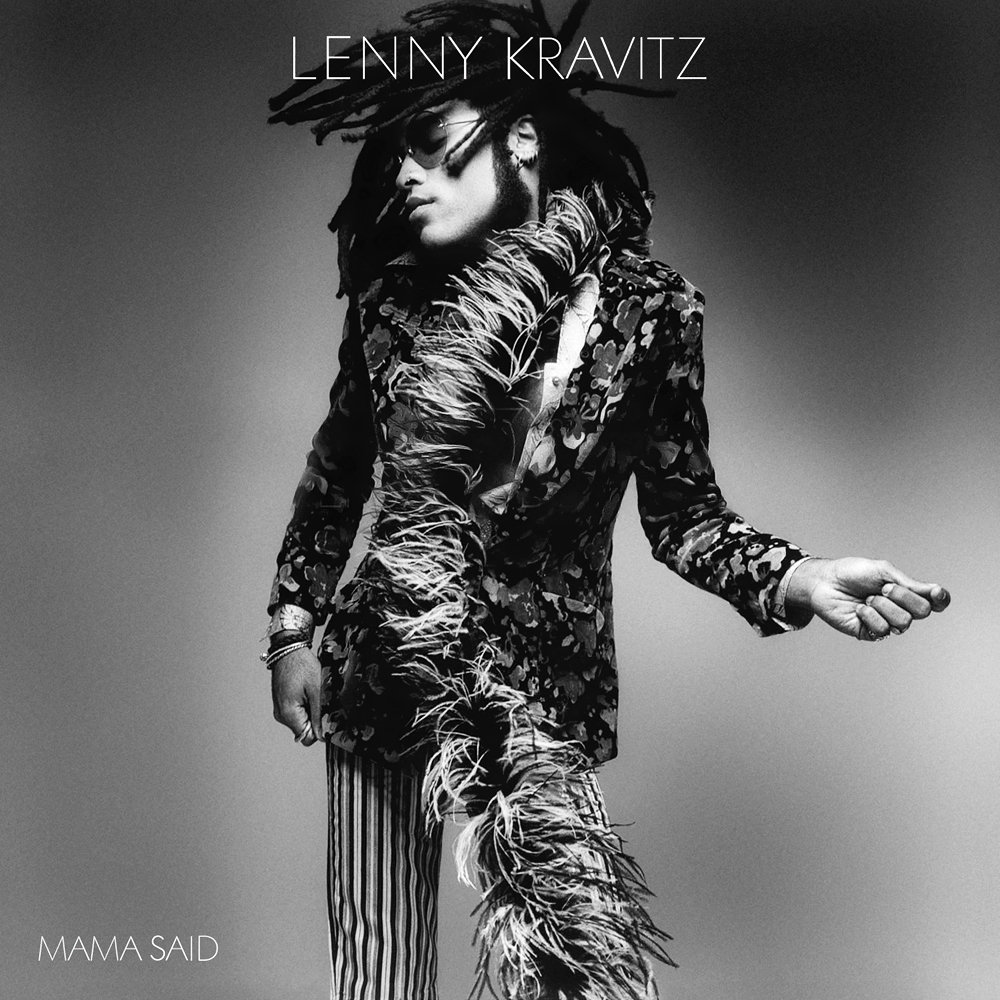
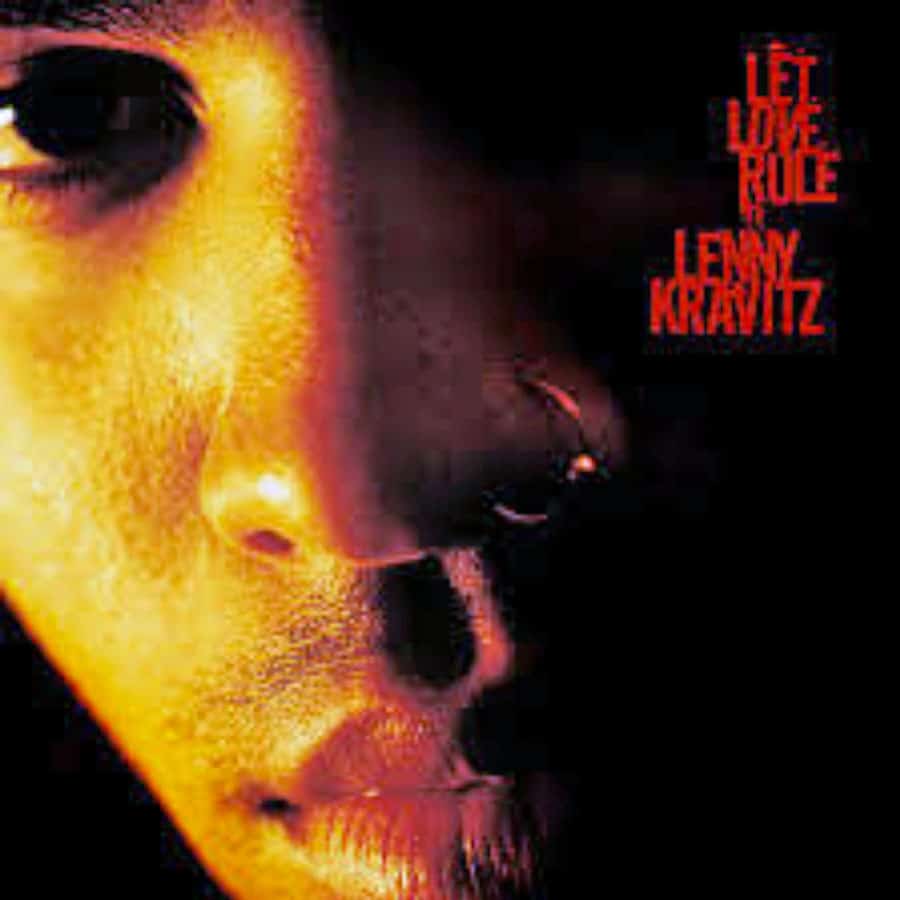
The ’80s were about grit and self-definition. Kravitz moved through LA’s creative fringe, hustling demos, sleeping in cars at times, and refusing record labels’ attempts to reshape him into something safer. He adopted the alias ‘Romeo Blue’ briefly, experimenting with image and sonics, but ditched it when he realised he didn’t need costumes to express truth. The turning point came when he collaborated with engineer Henry Hirsch; the pair began carving out the warm, analogue signature that would become Kravitz’s calling card. In 1989, against a backdrop of synth-pop and slick production, he released Let Love Rule – a debut that cut through the era with its psychedelic rock textures, vintage soul influences and authentic, hand-played energy. The music world took notice. His follow-up, Mama Said, channelled heartbreak and transformation into a record rich with introspection, groove and guitar-led bravado, solidifying his global presence.
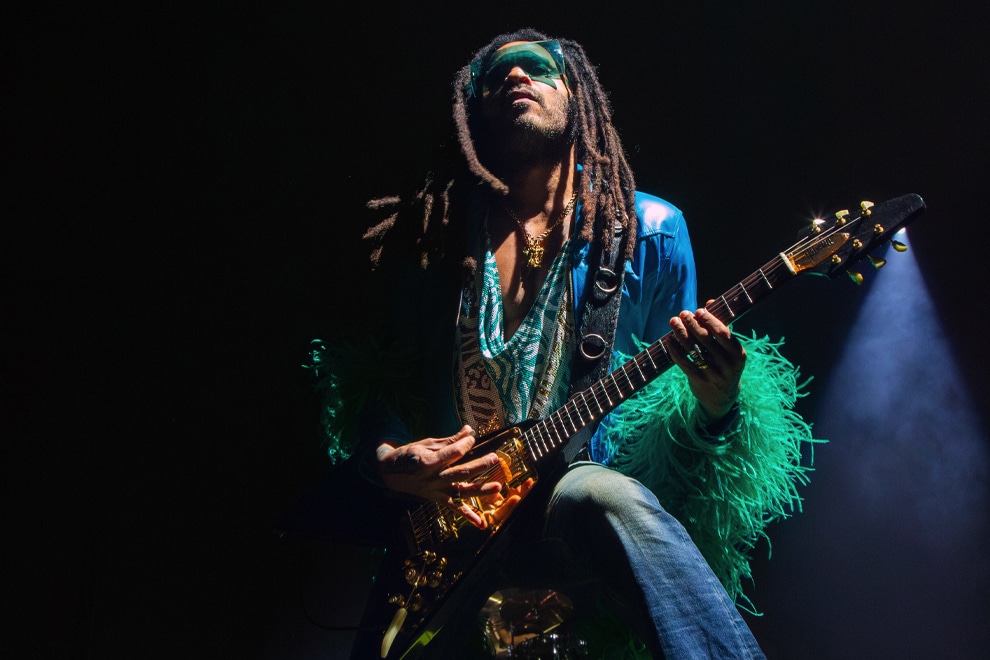
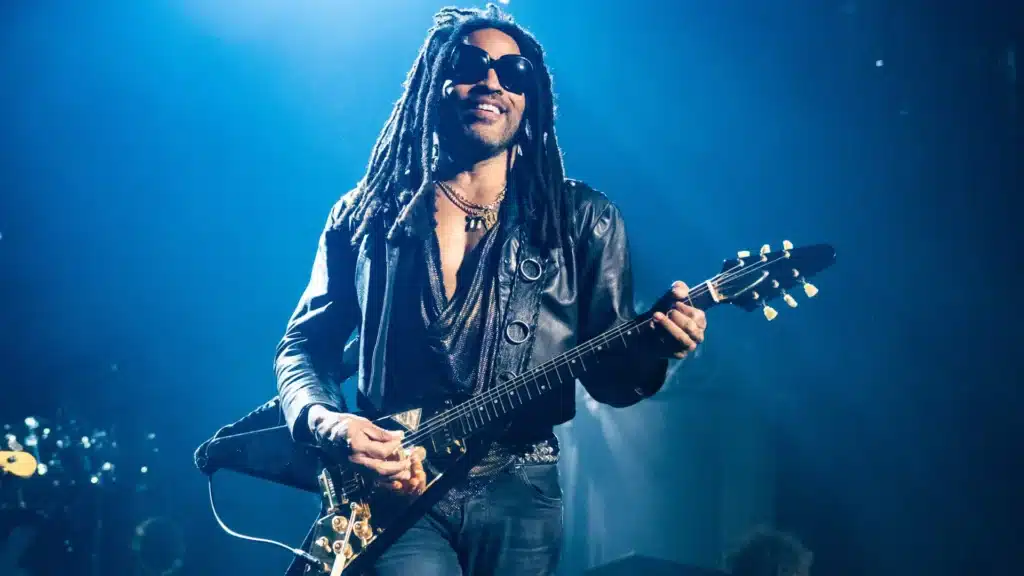
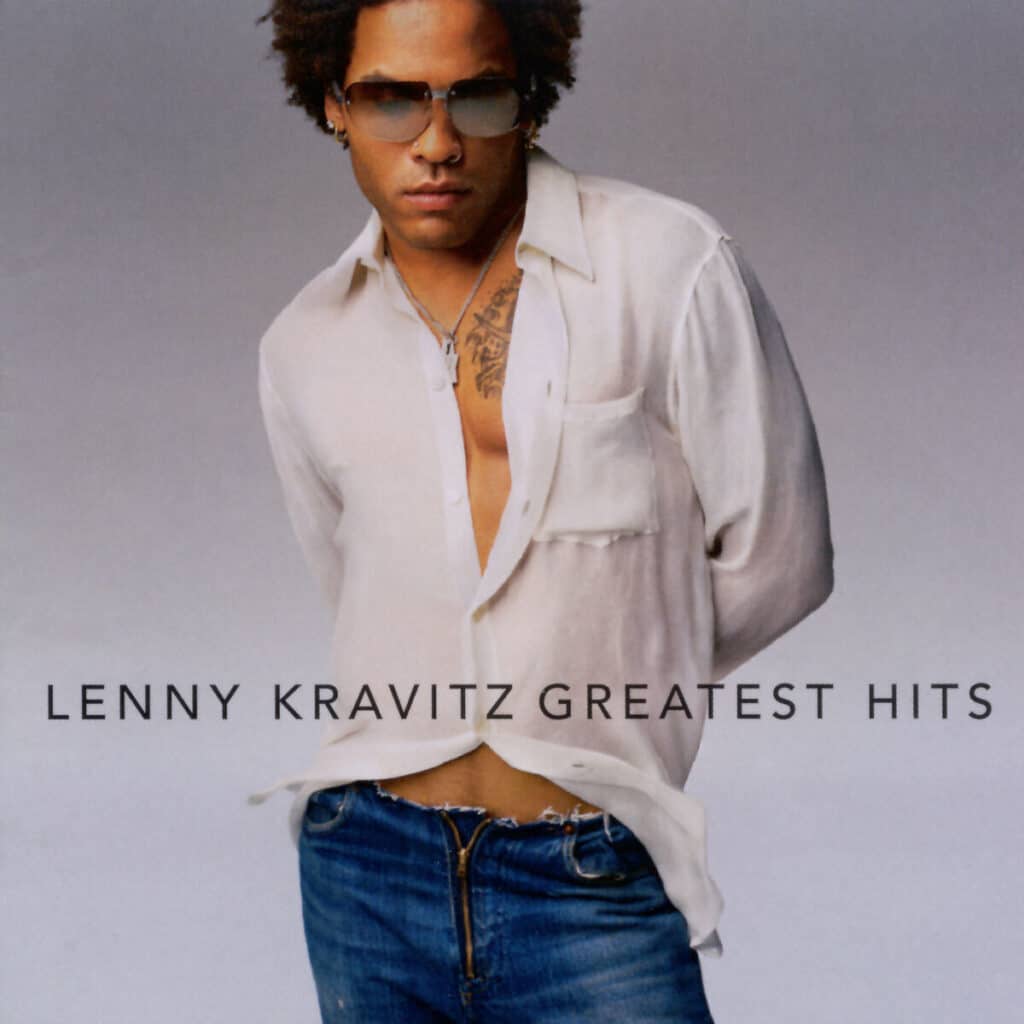
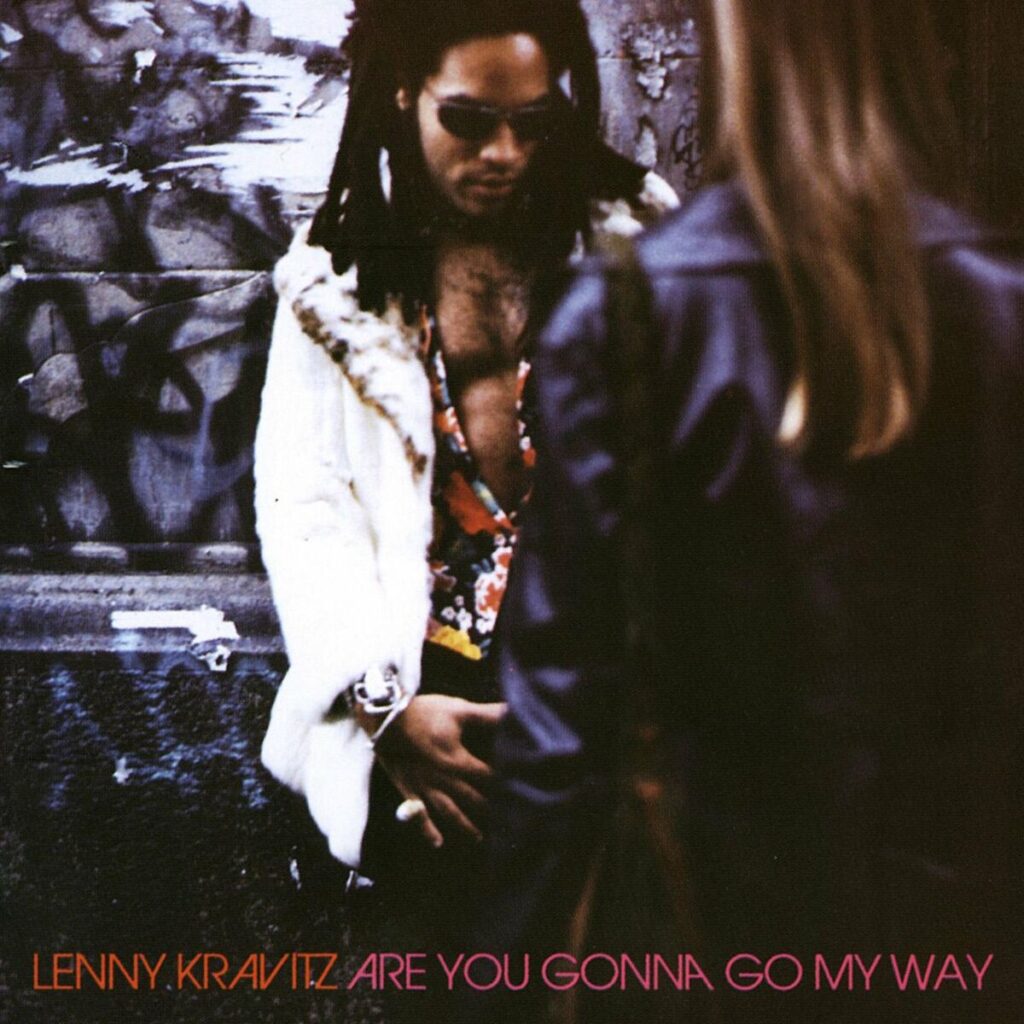
Then came Are You Gonna Go My Way (1993), the album that didn’t just establish Kravitz as a star – it cemented him as a modern rock icon. The title track exploded across radio and MTV, its riff becoming one of the defining sounds of the decade. The album’s fusion of classic rock confidence, funk sensibility and emotional candour set a new standard for artists fusing retro influence with contemporary impact. Throughout the ’90s, Kravitz collected multiple Grammys for Best Male Rock Vocal Performance, a streak that underscored not just popularity but craftsmanship. He wrote, produced and played most instruments on his records, positioning himself as a true auteur in an era dominated by teams of collaborators. Albums like Circus and 5 showed even greater reach – the latter exploring electronic textures and spawning ‘Fly Away’, a global hit that became an anthem of freedom across generations.
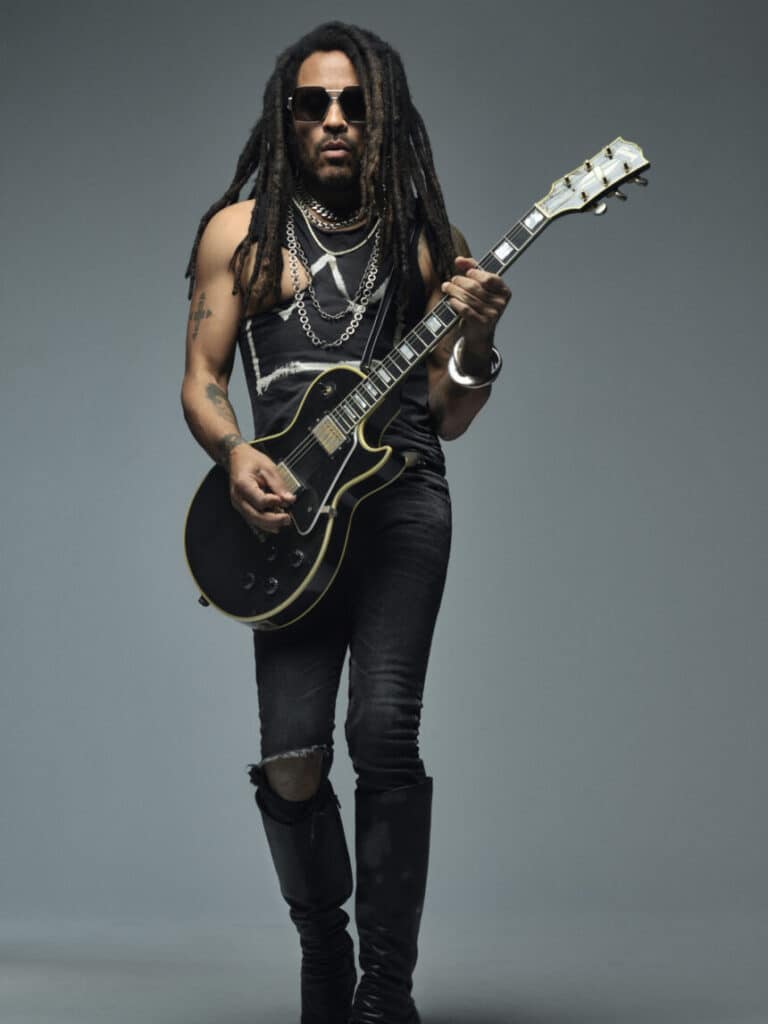
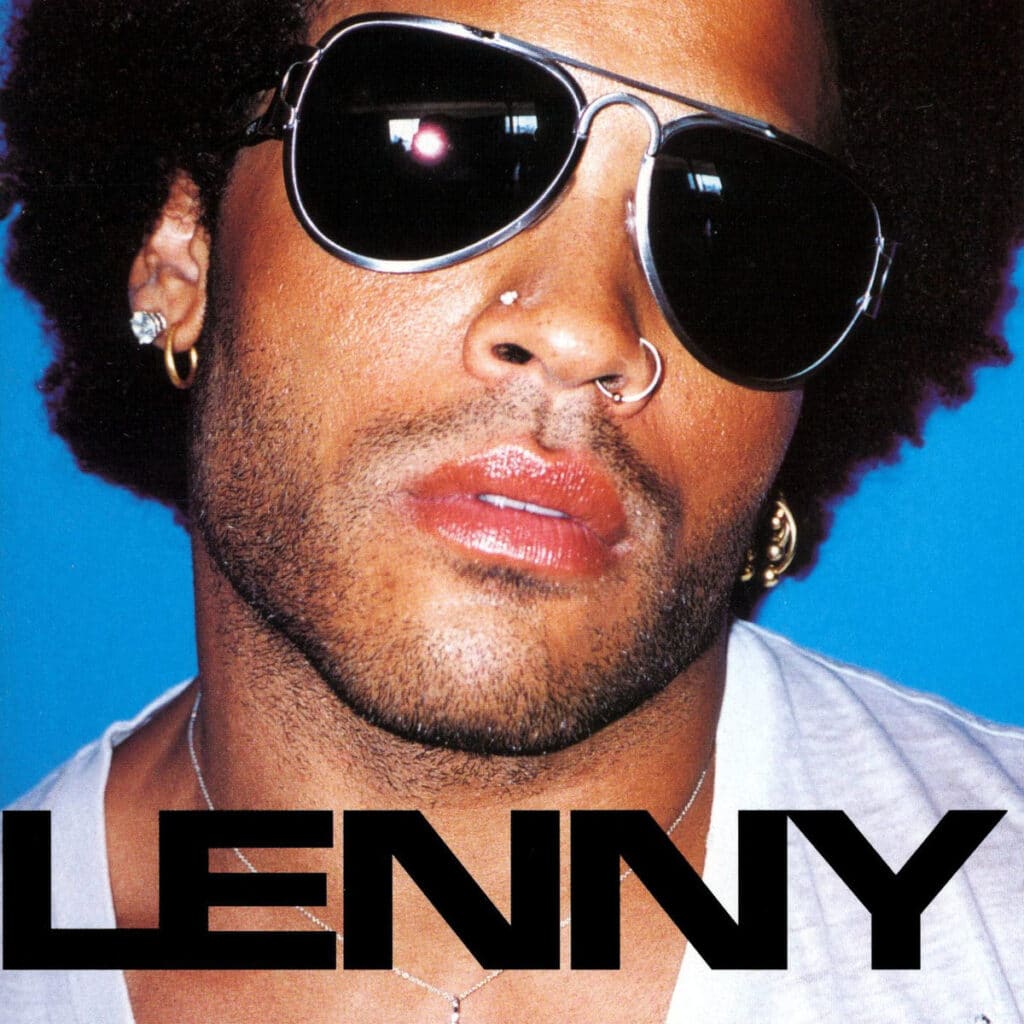
The 2000s marked a period of fearless expansion. Kravitz leaned into more ambitious stadium rock with records like Lenny and Baptism, balancing explosive guitar work with tender, soulful ballads. His tours became legendary for their intensity – part spiritual revival, part rock ’n’ roll sermon – defined by extended instrumentals, high-voltage showmanship and a deep connection with audiences. His visual identity grew equally iconic: dreadlocks, leather pants, metallic accessories, sheepskin coats, and that effortless fusion of rock warrior and bohemian mystic. He became as influential in fashion as he was in music, an ambassador for androgynous glamour and vintage rock chic long before it became mainstream.
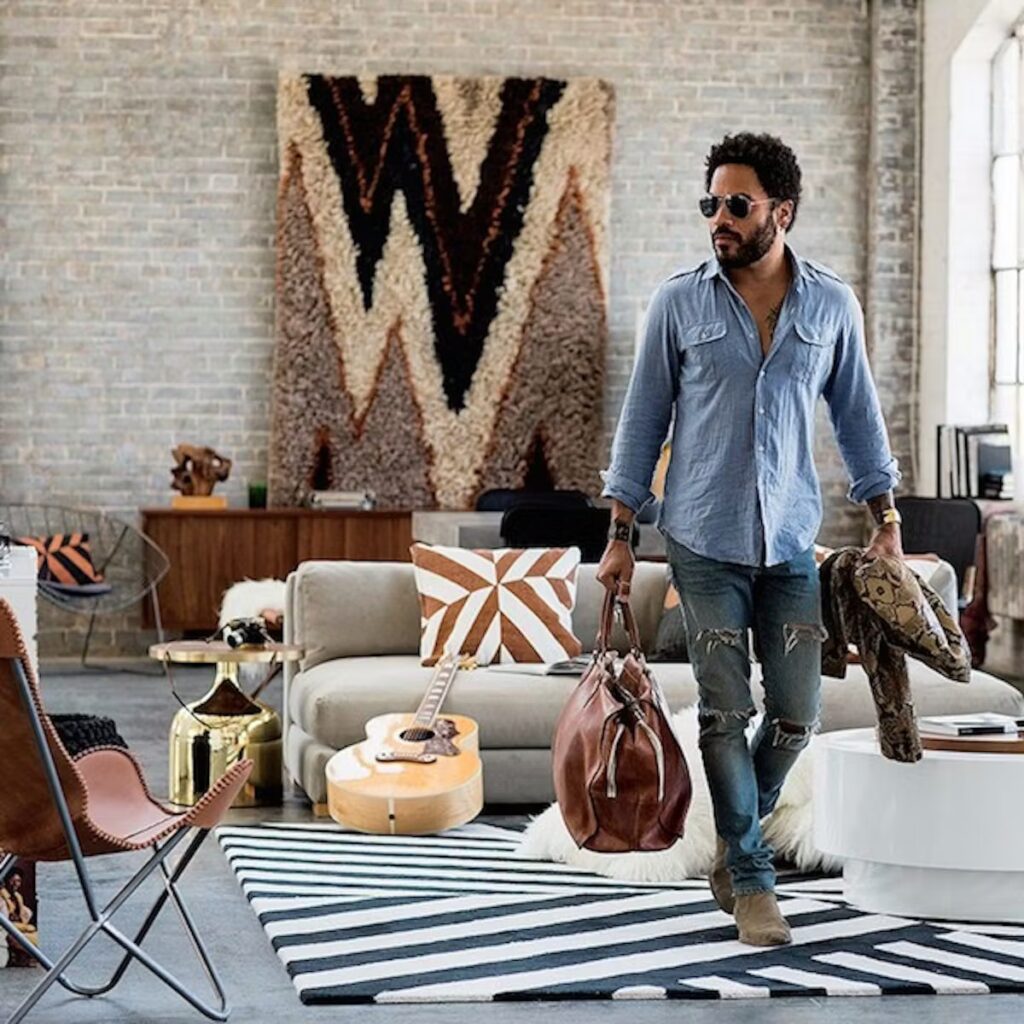
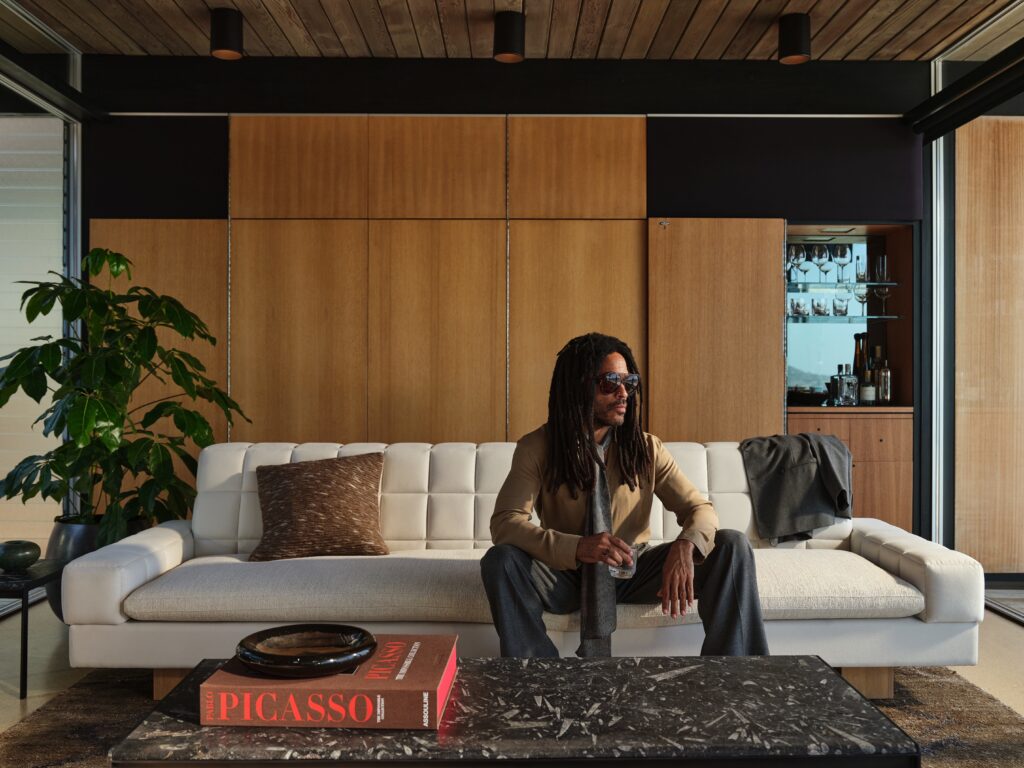
Kravitz also widened his creative universe. In 2003 he founded Kravitz Design, an interior and product design studio known for warm, textural, globally inspired aesthetics. Under his direction, the studio developed hotels, residences, furniture lines and architectural collaborations that reflected his love of craftsmanship and immersive atmosphere. His acting career blossomed too. Roles in Precious, The Hunger Games, The Butler and Shotgun Wedding revealed a subtle, grounded screen presence – understated yet magnetic, bringing quiet emotional power to each role.
Some of Karavitz’s design work

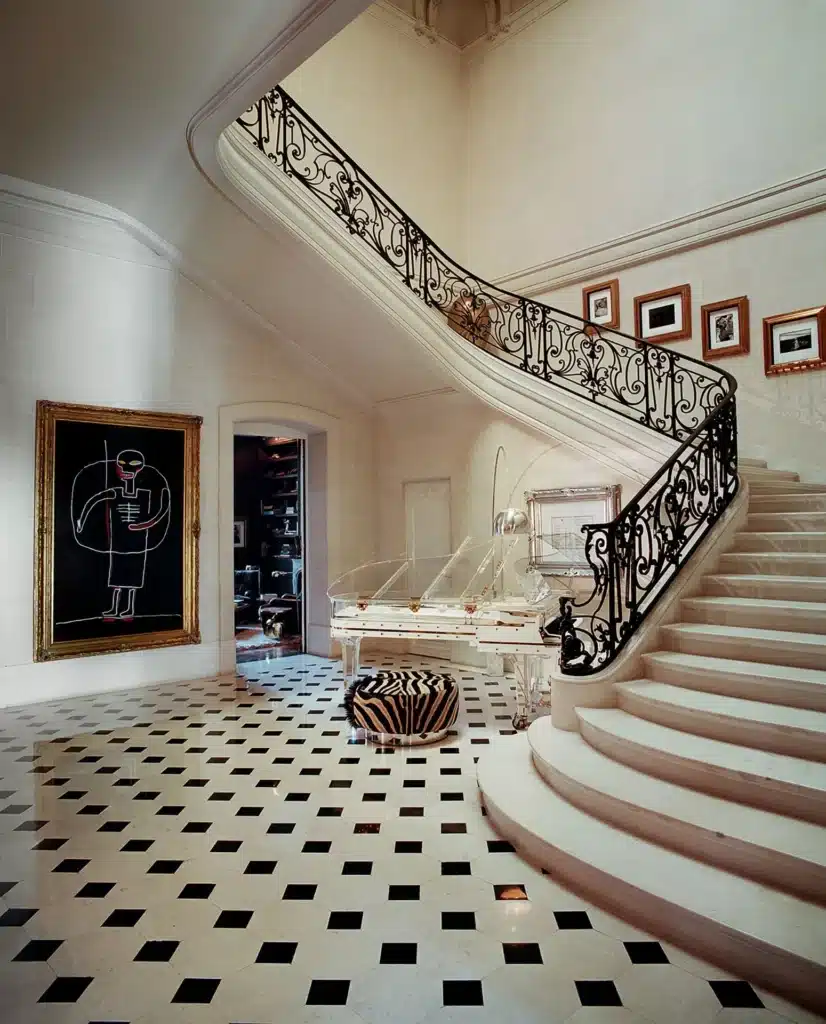
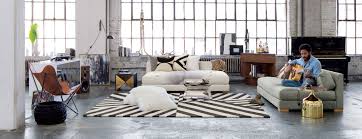
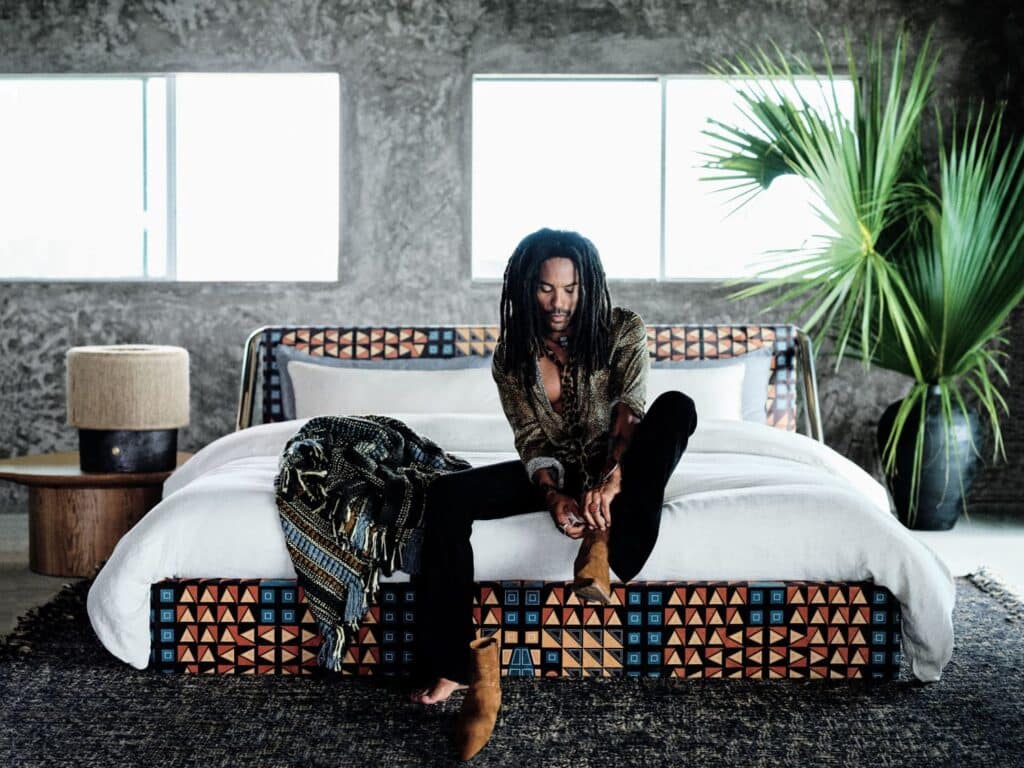
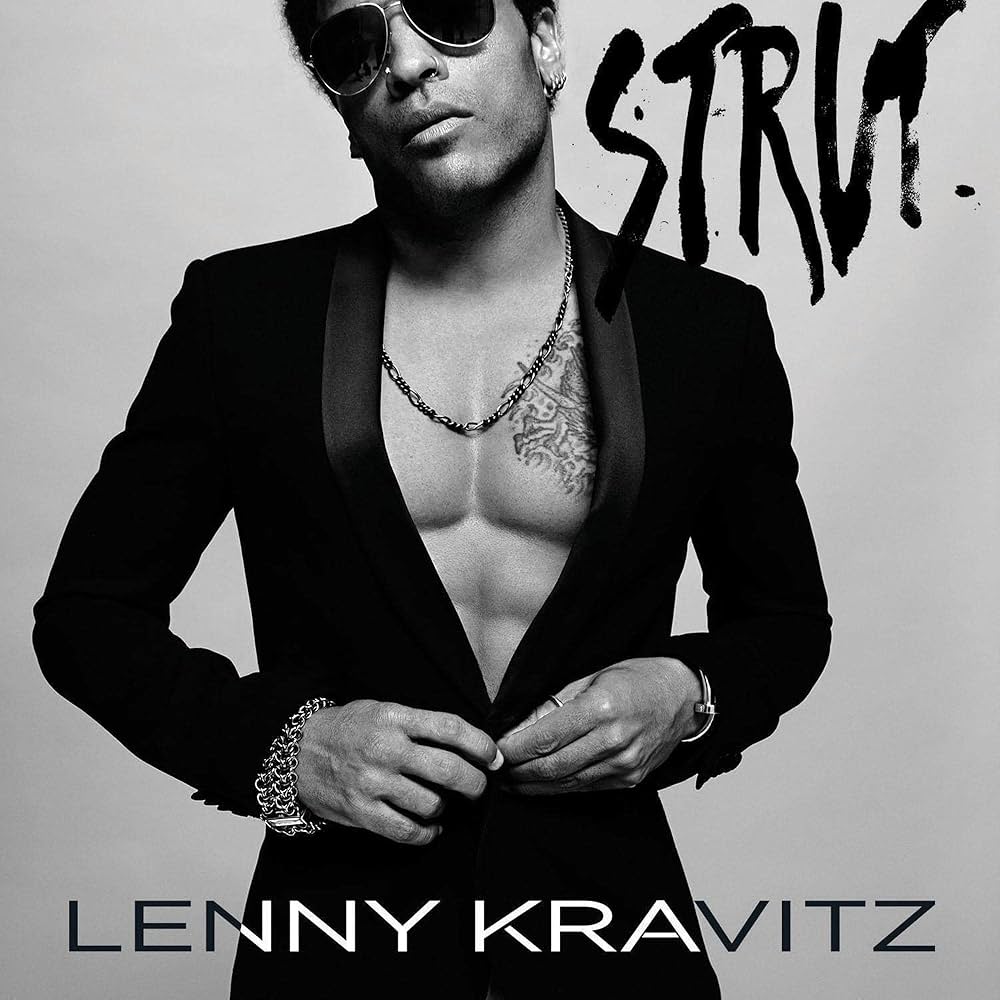
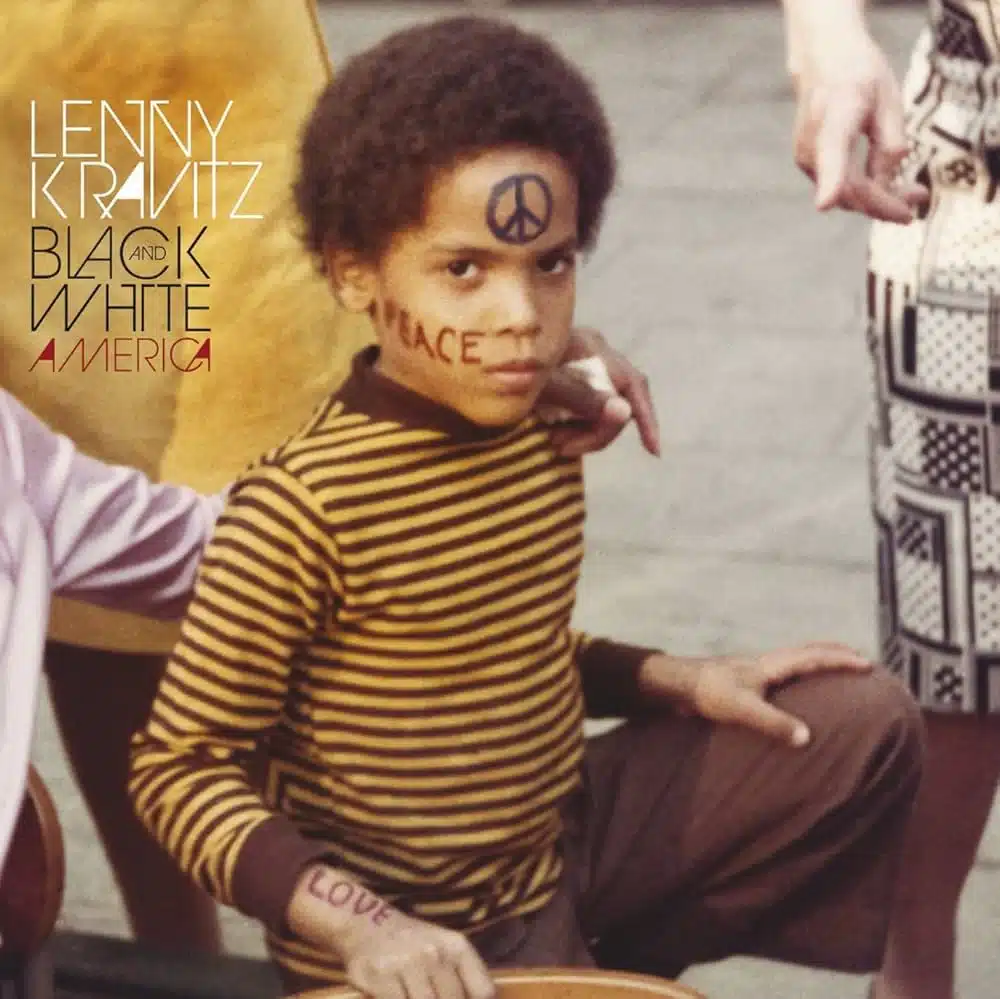
Across his later albums, including It Is Time for a Love Revolution, Black and White America, Strut and Raise Vibration, Kravitz explored themes of social unity, personal truth, spiritual grounding and artistic perseverance. His lyrics moved between political edge, romantic vulnerability and cosmic awareness, framed by arrangements that pulled from funk, gospel, arena rock, psychedelia and acoustic soul. Even as decades passed, his sound stayed unmistakably his: warm, analogue, human, and driven by feel rather than trend.
In 2020 he released his memoir, Let Love Rule, tracing his early life with honesty, reflection and a sense of destiny. It revealed the inner architecture behind the music – a childhood shaped by culture clashes, a relentless creative instinct, and an unshakeable commitment to authenticity.
His acting career threads beautifully into the mythology too, adding another layer to the way he occupies space onstage. From his standout roles in The Hunger Games, Precious and The Butler, he’s carved out a screen presence that mirrors his musical persona – understated but magnetic, soulful with an edge, always leaving you wanting a little more. There’s a quiet authority in the way he delivers a line on film, and that same controlled intensity seeps into his live shows. You can feel the crossover: the actor who understands the power of stillness, and the musician who knows exactly when to break it open.
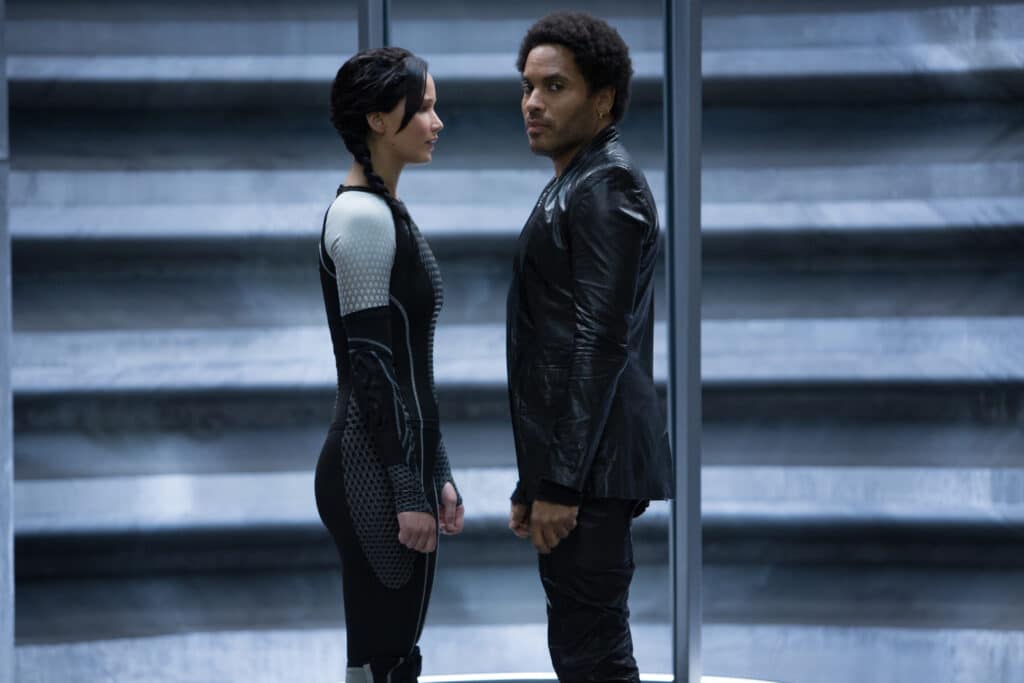
Today, Lenny Kravitz stands tall as a multi-hyphenate force: musician, songwriter, producer, designer, actor and cultural trailblazer. His influence runs deep across fashion, music, design and modern storytelling. Decades into his career, he continues to tour, create and evolve, carrying the same guiding principles that ignited his journey – freedom, love, artistic integrity and the courage to live boldly in your own skin. His legacy isn’t just about hits or image; it’s about crafting a life where creativity leads, boundaries fall away, and individuality becomes an anthem.
Long Live the energy that is Lenny.
Lenny Kravitz: Blue Electric Light Tour 2025
Tickets Here!
Follow Lenny Kravitz:
Facebook
Instagram
YouTube
Website